Buying used heavy-duty truck parts has become an increasingly popular solution, both in Quebec and internationally. Whether the goal is to reduce costs, speed up repairs, or adopt a more environmentally responsible approach, recycled truck parts offer many advantages. However, a poor choice can quickly lead to additional repairs, extended downtime, or unexpected expenses.
Why buy used heavy-duty truck parts?
Used truck parts can significantly reduce maintenance costs while extending the vehicle’s service life. They also help limit waste by giving functional components a second life. In many cases, used parts are easier, and faster, to source than new ones, especially for recent or specialized models.
Below are the six most common mistakes to avoid when buying used heavy-duty truck parts, along with best practices for a safer, more cost-effective, and more sustainable purchase.
1. Failing to properly identify the required used part
A common mistake is choosing a “similar” part without ensuring true compatibility. Two trucks that appear identical may have major differences depending on options or production year. Without the OEM part number, the risk of error increases significantly.
Best practice: provide as much technical information as possible before purchasing, including the vehicle serial number and the original OEM part number.
2. Relying only on a photo or the price of a heavy-duty truck part
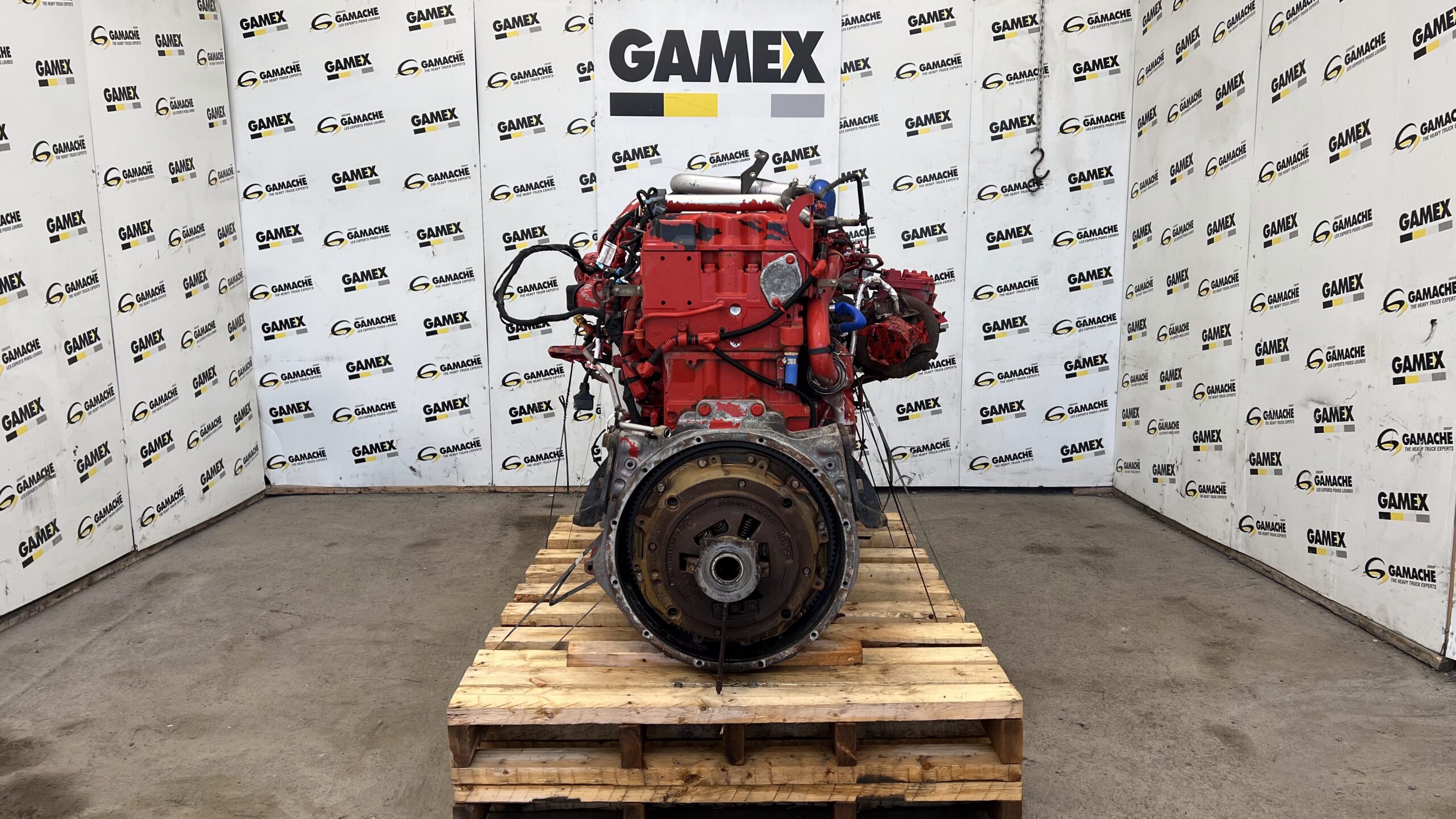
Buying a used truck part based solely on a photo or an attractive price is risky. This may be acceptable for simple components, but for more complex parts, such as an engine, transmission, or differential inspection or testing is essential.
To do: request a detailed description of the part’s condition, clear photos, and, if possible, the results of any tests performed prior to sale.
3. Overlooking the truck’s actual application
A part may be technically compatible with your vehicle but unsuitable for its real-world use. Requirements differ for a highway truck, a flatbed, or a vehicle operating in demanding conditions. Load, road type, gear ratio, and operating environment all affect a part’s performance.
Best practice: always specify the truck’s actual application at the time of purchase.
4. Not checking the warranty or return conditions on used parts
Purchasing a used part without understanding the warranty or return policy carries significant risk. It’s essential to know what is covered, for how long, and under what conditions.
Check: warranty duration, return terms, and deadlines for reporting an issue. Even a limited warranty is often a sign of a reputable supplier.
5. Choosing a used part based solely on price
The lowest price does not always mean the best deal. A part that is overly worn or poorly suited to your application can result in repeated repairs, extended downtime, and higher labor costs. The true cost of a part also includes its reliability, lifespan, and the service that comes with it.
Best practice: assess the real value of a used part by considering its condition, origin, and the level of support provided by the supplier.
6. Buying used parts without professional guidance
The expertise of a used heavy-duty truck parts specialist can make all the difference. An experienced advisor understands model compatibility, specific applications, and common pitfalls, and can guide you toward the best option for your actual needs.
Best practice: rely on the experience of a trusted supplier in the industry.
Conclusion: securing your purchase means investing wisely
Buying used heavy-duty truck parts is a smart, economical, environmentally responsible, and reliable solution-provided it’s done carefully. By avoiding common mistakes and working with the right partners, you can extend the useful life of your vehicles without compromising performance.
Gamex offers a wide inventory of recycled parts, carefully inspected and ready for use, whether for the local market or export.
Talk to one of our specialists before making your decision, you’ll save time, gain peace of mind, and improve efficiency.